15 places to visit with the AI guide, 8 local activities. Explore the village with the app: at each stop, earn points and rewards.
Nestled on a hill overlooking the Calore valley, Candida is one of the smallest and best-preserved villages in Irpinia. Its first documented memory dates back to 1045, during the Lombard era, when the town was part of the County of Avellino; in the 12th century, the settlement grew around the castle, a strategic point for controlling the valley.
The peak of its splendor came in 1340, when Filippo Filangieri established the barony of Candida: the village became an important economic center, famous for ironworking and particularly for nail production. Hence the nickname of its inhabitants, the “chiodaroli” — a craft tradition that remained alive until the mid-20th century and is still remembered today by the plaque in the heart of the old village. In 1420, Caterina Filangieri brought Candida as a dowry to Sergianni Caracciolo, linking the town to another great family of the Kingdom of Naples.
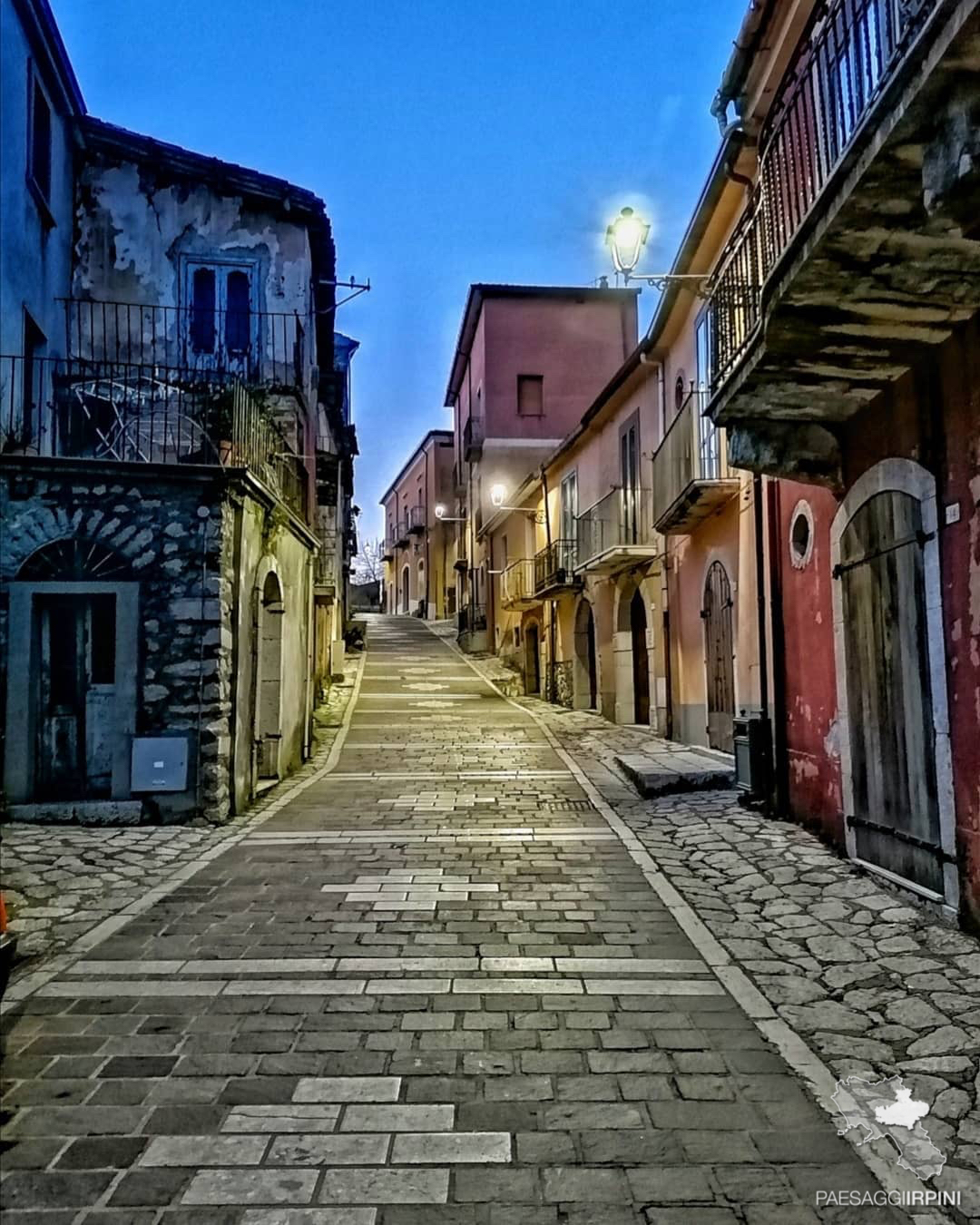
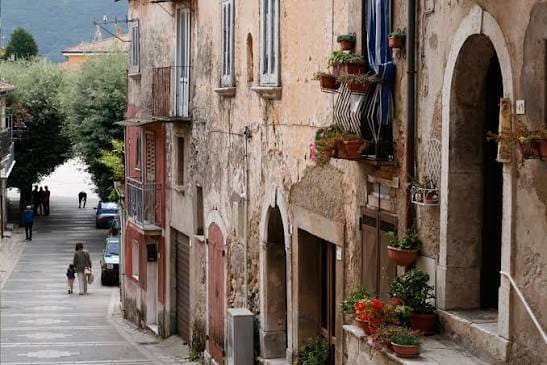
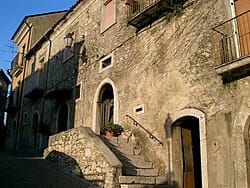
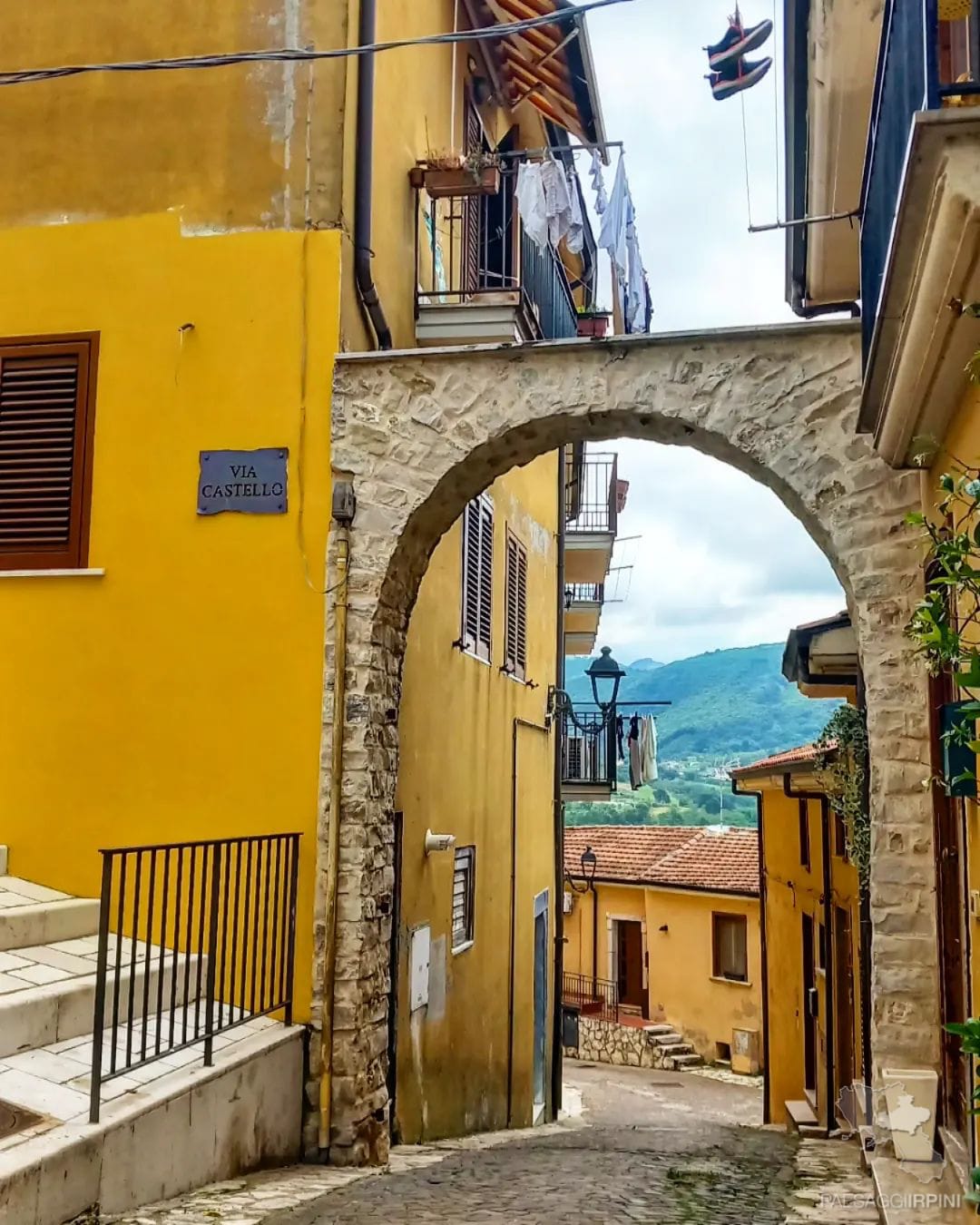
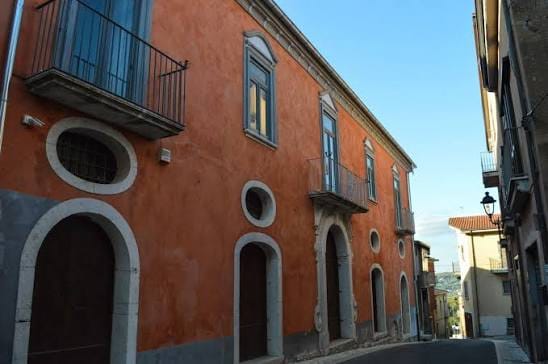
Today, Candida houses the Mother Church of Santa Maria Assunta, the Castle, and the Filangieri Baronal Palace, with its stone alleys, ancient portals, and open views of the valley. And a table that smells of Irpinia: baccalà, rustic cuisine, and the great DOCG wines of the area.
The Church of Santa Maria Assunta in Cielo in Candida is located in Piazza dei Martiri, near the Town Hall. Built in the 16th century, commissioned by Maria de Card
Built in 1366 in Gothic style, it features a stone portal and houses the tomb of Filippo Filangieri, founder of the Baronia of Candida. After 1550,
A fortress of Lombard origin built in the 12th century on solid rock, with circular and quadrangular towers to defend the village. Today, remnants of walls and
A noble residence commissioned in the 1430s by Caterina Filangieri. It was distinguished by a central loggia adorned with tall and slender columns in
Founded in the early 15th century and elevated to abbey in the early 16th century. It includes a Baroque church dedicated to the Conception of Mary, an elegant cloister
A small stone chapel from 1673 dedicated to Our Lady of Mount Carmel. Above the portal, it preserves a fresco depicting the Madonna, cherished by the devotion of the brotherhood
A building from the medieval core, with an annexed chapel, a testament to the institutional and administrative importance of Candida. It preserves valuable architectural elements among M
The medieval heart of the village, with finely crafted stone portals from the 18th-19th century made by local artisans. At the base of the village, a plaque commemorates the 'Chiodaroli
An ancient hunting lodge of the Caracciolo princes of Avellino, along the road to Montefalcione. Built between the 17th and 18th centuries, it features a characteristic polygonal tower
Place of worship in Candida, noted by the OpenStreetMap community. If you find it open, step inside: even lesser-known churches hold surprises. Respectful attire is required.
Historical fortification in Candida, noted by the OpenStreetMap community. Check if it is open for visits; even from the outside, it tells centuries of history.
Historical architecture in Candida, noted by the OpenStreetMap community: a fragment of the ancient defenses of the village.
Place of worship in Candida, noted by the OpenStreetMap community. If you find it open, step inside: even lesser-known churches hold surprises. Respectful attire is required.
Place of worship in Candida, noted by the OpenStreetMap community. If you find it open, step inside: even lesser-known churches hold surprises. Respectful attire is required.
Place of worship in Candida, noted by the OpenStreetMap community. If you find it open, step inside: even lesser-known churches hold surprises. Respectful attire is required.
The complete tour of the village of the chiodaroli: all the monuments, the Irpinian table, and a night in the 18th-century palace.
✨ Follow the route with the app The AI adapts it to your tastes and timing.
Guesthouse in the heart of the village, at Corso Umberto I 24-26, managed by the same family as the historic tavern La Corte dei Filangieri. Well-kept rooms just steps away from the mo
Holiday home on Via Castello 32, at the foot of the Filangieri fortress, in the most picturesque spot of the old village. Registered in the official list of accommodation facilities
Holiday home on Via Castello 68, in the medieval core of the village. Registered in the official list of accommodation facilities of the Campania Region. A simple lodging and
Holiday home on Via Toppole 96, in a quiet location with a view of the Calore valley. Registered in the official list of accommodation facilities of the Campania Region
Accommodation in Candida, listed by the OpenStreetMap community. Check hours and reviews before you go. Activity not yet verified by TuristIA.
Family-run winery and holiday home in the heart of Candida, on Via Roma 28, housed in an elegant noble palace from the 18th century that belonged to the fam
Osteria in the historic center of Candida, on Via Fontanelle 4, considered the best restaurant in the village, recommended by Gambero Rosso and Slow Food (4.2/5 on TripAdv
Unique restaurant-pizzeria in its kind, on the Provincial Road of Candida: the entire venue is housed in a real vintage railway carriage, with one half preserving
Open the app, ask the AI for an itinerary and walk: at each place, the talking guide and a point earned.